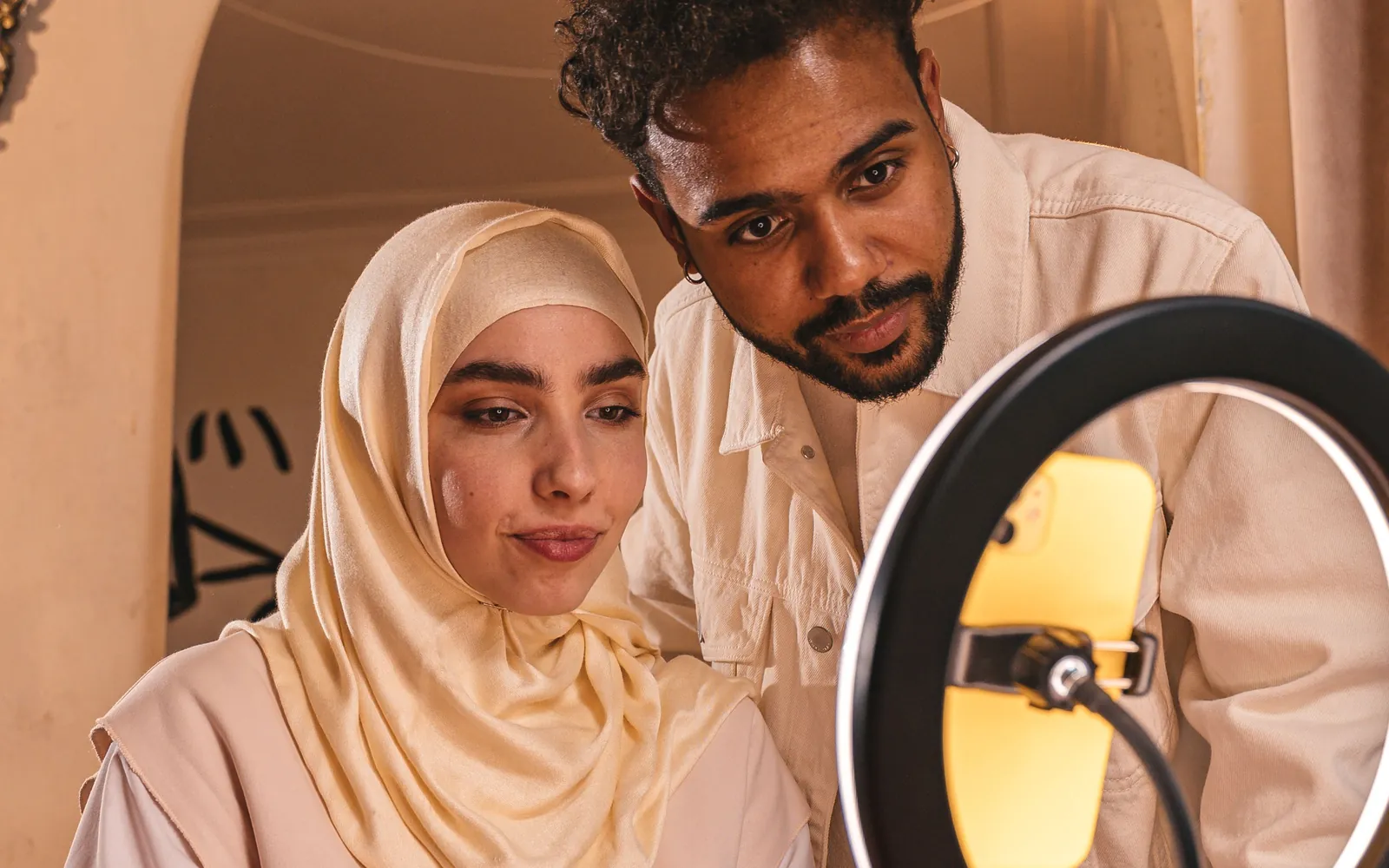

What Is UGC Marketing and How Brands in the GCC Use It to Drive Sales
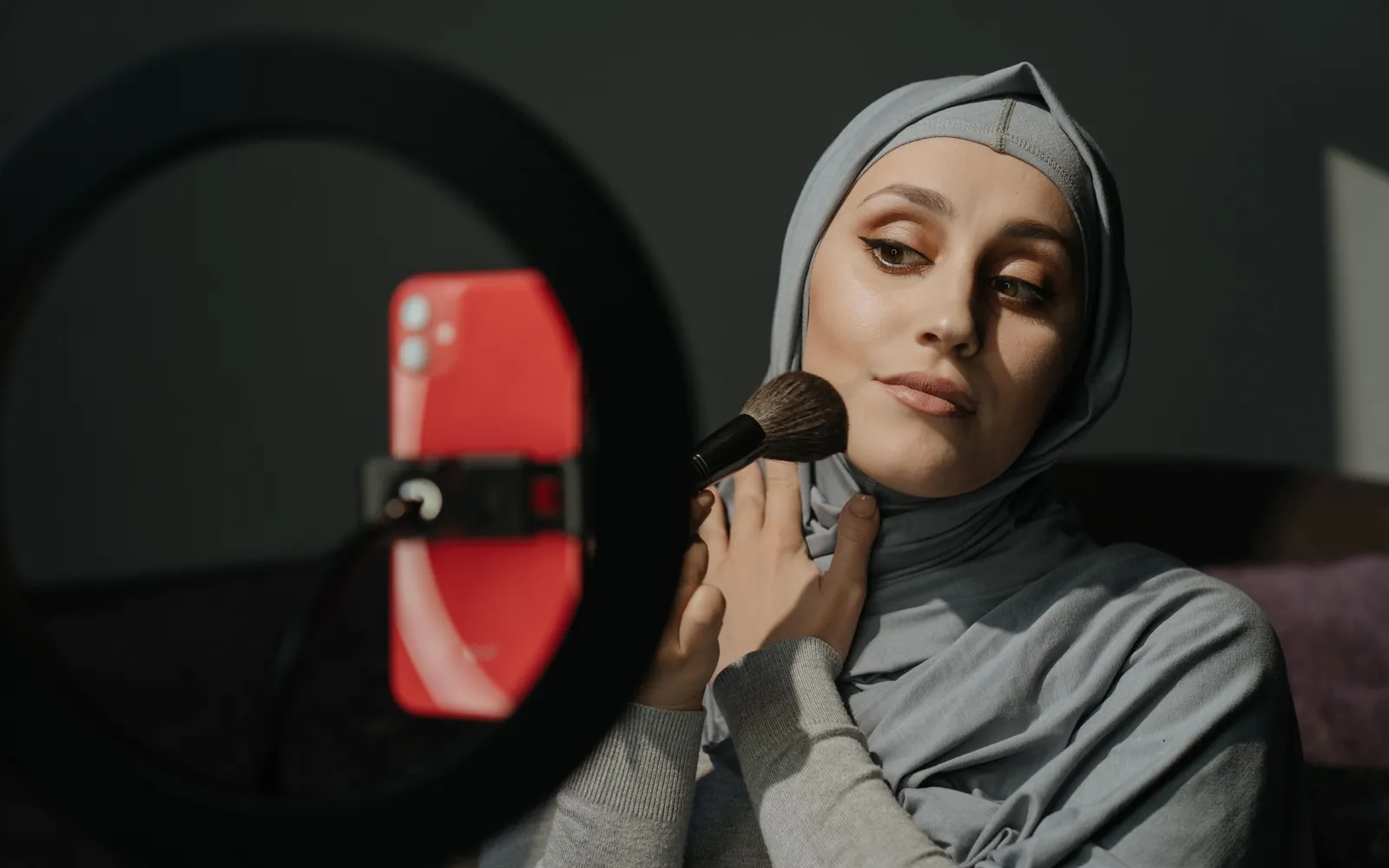
Quick answer: UGC (user-generated content) marketing means using content made by real people, not by the brand's studio, to sell products. In the GCC, brands mostly commission UGC creators to film short, authentic videos (unboxings, try-ons, reviews, "day in my life") in Arabic dialect or English, then run that content as paid ads on TikTok, Snapchat, Instagram and product pages. It works because it looks native to the feed and feels like advice from a friend, which usually lowers cost per purchase compared to polished brand ads.
Scroll TikTok in Riyadh or Dubai for two minutes and count how many videos look like ads. Now count how many actually are. The gap between those two numbers is the whole reason UGC exists.
People skip ads. They don't skip a girl in Jeddah telling them honestly whether an abaya is worth the price. UGC is the brand learning to speak in that voice.
What is UGC, exactly?
The term started with genuinely organic content: customers posting reviews, photos and videos without being asked. Today, in marketing, "UGC" mostly means commissioned UGC: a brand pays a creator to produce content that looks and feels like it came from a real customer.
Three types you'll hear about:
- Organic UGC: real customers, unpaid. Reviews, tagged posts, unboxings.
- Commissioned UGC: a creator is paid to make content, which the brand then uses on its own channels and ads.
- Creator-posted content: the creator also publishes it on their own account. This is where UGC and influencer marketing overlap.
UGC vs influencer marketing: what's the difference?
| UGC creator | Influencer | |
|---|---|---|
| You pay for | The content itself | Access to their audience |
| Where it runs | Brand's ads, website, product pages | The creator's own account |
| Follower count | Doesn't matter much | Matters a lot |
| Main goal | Ad creative that converts | Reach, trust, sales from their audience |
| Typical deal | Fee per video plus usage rights | Flat fee, commission or hybrid |
The smartest brands don't choose. They let performance creators sell to their audiences on commission, then take the videos that sold best and turn them into paid ads. Same content, two jobs.
Why UGC works so well in the Gulf
Dialect beats polish. A Saudi, Emirati or Kuwaiti accent signals "this is for us" in the first second. Studio ads with generic Arabic voice-overs struggle to do that.
Short video is where Gulf shoppers live. TikTok, Snapchat and Instagram Reels are where discovery happens. UGC is built for those formats from day one.
Trust decides the purchase. For fashion, beauty and anything bought online without touching it, seeing a normal person use the product answers the questions an ad can't: How does it fit? Does the colour look like the photo? Is it worth it?
Creative fatigue is fast. Paid social ads in this region burn out quickly. UGC lets brands test many creatives cheaply and keep the winners running.
How GCC brands actually use UGC to drive sales
1. As paid social ads
This is the biggest use. The brand runs the creator's video as an ad, often through TikTok Spark Ads or Meta partnership ads, which show the ad from the creator's handle. That native look typically earns higher click-through than a brand-handle ad.
2. On product pages
A 20-second try-on video on a product page answers sizing and quality doubts right at the moment of purchase. Fashion and beauty brands see this as one of the easiest wins.
3. In retargeting
Someone viewed the product but didn't buy? Show them a real person reviewing it. Review-style UGC is strong at pushing people who are already interested.
4. In seasonal campaigns
Ramadan, Eid, National Day and White Friday need a lot of fresh creative fast. A bench of UGC creators lets brands produce dozens of culturally relevant videos in days, not weeks. See Ramadan Creator Campaigns.
How to brief a UGC creator (the 5-line brief)
Long briefs kill authenticity. Give creators five things and let them do the rest:
- The product and one key benefit. Not five. One.
- The hook angle. For example, "the problem it solves" or "what I expected vs what I got".
- Language and dialect. Saudi, Emirati, Egyptian, Levantine or English, matched to the market you'll run the ad in.
- Format specs. Vertical 9:16, 15 to 30 seconds, product visible in the first 3 seconds, no background music you don't have rights to.
- The no-go list. Claims you can't make, competitors not to mention, cultural sensitivities.
Ask for two or three different hooks on the same video. The hook, the first 3 seconds, decides most of the result.
Usage rights and compliance
Always agree in writing on where you can use the content (organic, paid ads, website), for how long (3, 6 or 12 months are common), and whether you can edit it. Paid usage and longer terms cost more. Rates are covered in UGC Creator Rates in MENA 2026.
If the creator also posts the content on their own account, it counts as promotional content. In the UAE that means they need a UAE Media Council Advertiser Permit, and in Saudi Arabia a Mawthooq license. When in doubt about content that only runs on the brand's own channels, check with your legal team.
How to measure whether UGC is working
- Hook rate: the share of viewers who watch past the first 3 seconds. Your first signal of a good video.
- Click-through rate: clicks divided by impressions. Compare against your brand-made ads.
- Cost per purchase: ad spend divided by purchases. The number that decides whether you scale.
- Creative lifespan: how many days before performance drops. Good UGC tends to last longer because it doesn't look like an ad.
Run UGC and brand creative side by side with the same budget and audience. Let the cost per purchase decide, not taste.
Where Adltix fits
At Adltix we connect GCC brands with a network of around 20,000 creators, many of whom sell on commission and produce UGC-style content that can be repurposed into ads. Brands pay nothing upfront and pay commission on tracked sales, then scale the content that proves it sells. Book a 20-minute call to see a plan for your brand, or read the full guide to influencer performance marketing in MENA.
Frequently asked questions
What does UGC stand for?
UGC stands for user-generated content: photos, videos and reviews created by real people rather than by the brand itself.
Do UGC creators need a lot of followers?
No. Brands pay UGC creators for the content, not their audience, so a creator with 2,000 followers can earn well if their videos convert.
Is UGC better than influencer marketing?
They do different jobs. Influencers sell to their own audience. UGC gives brands ad creative that feels native. The strongest GCC programs use both together.
Which platforms work best for UGC ads in Saudi Arabia and the UAE?
TikTok, Snapchat and Instagram Reels, since all three are built around short vertical video and are heavily used across the GCC.
Should UGC be in Arabic or English?
Match the audience. For Saudi Arabia and most of the GCC, Arabic in a local dialect usually performs best. For expat-heavy audiences in the UAE, test English alongside Arabic.